Digital Dentistry: The Impact of Modern Technology on Smiles
Digital dentistry; a modern treatment approach that offers faster, more comfortable, and aesthetic solutions through 3D scanning and computer-aided systems.
Dr. Hüseyin Ünal
Dentistry is undergoing a rapid transformation in recent years with the development of digital technologies. Traditional methods are being replaced by more reliable, faster, and more comfortable solutions. This new approach is called digital dentistry. So, what exactly does digital dentistry mean and why does it excite us so much?
What is Digital Dentistry?
Digital dentistry refers to the integration of technologies such as intraoral scanners, 3D imaging, CAD/CAM systems, digital planning software, and robotic manufacturing into dental processes.
The aim is to achieve accurate, fast, and durable results for the patient.
Thanks to digital processes:
Intraoral measurements can be taken without errors
Dental models can be viewed in three dimensions
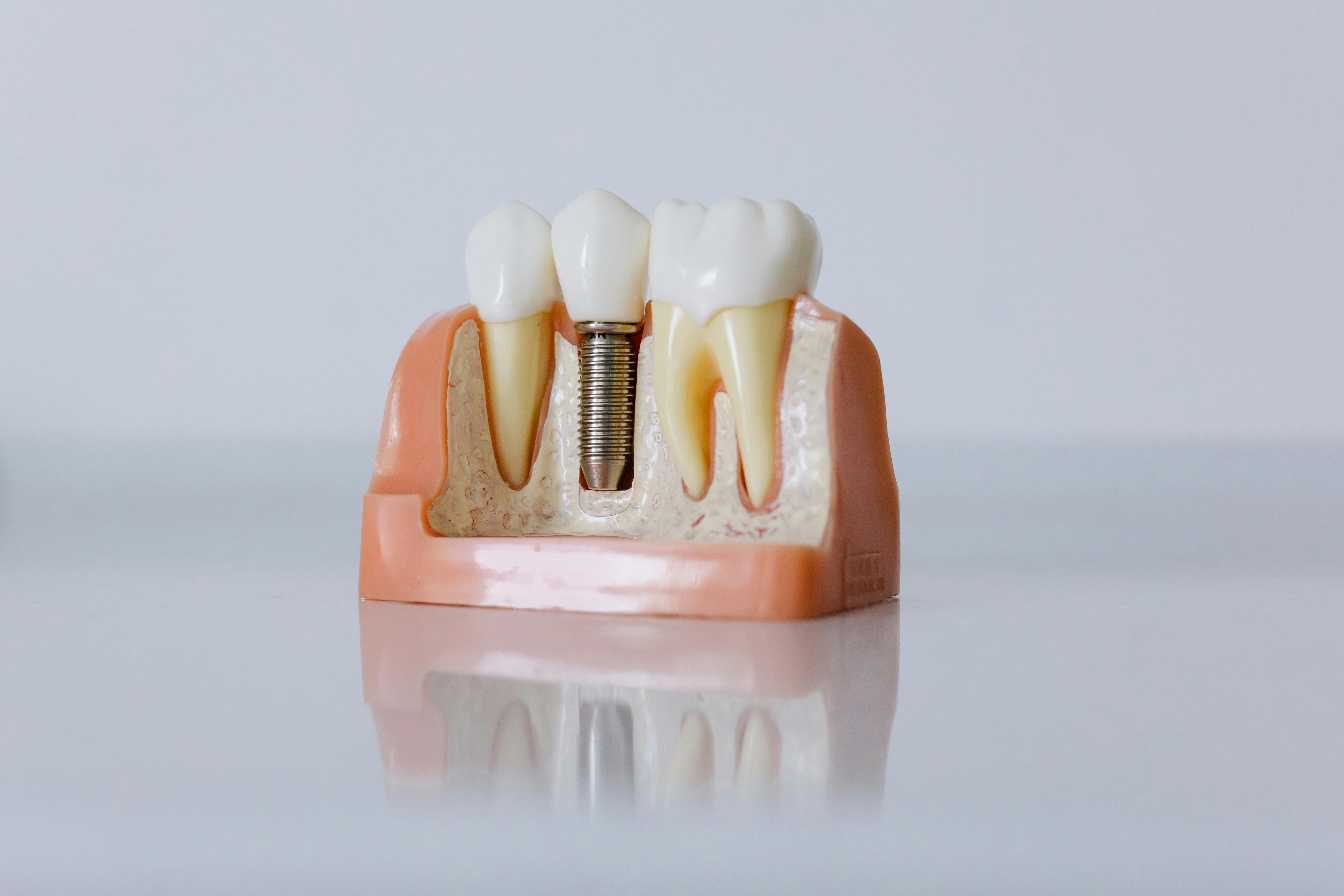
Prosthetics such as crowns, implants, and veneers can be produced with high precision
Treatment time is shortened, and patients spend less time in the chair
In short, digital dentistry makes treatment easier for both the patient and the dentist.
What Technologies are Used?
Digital dentistry brings together many technologies. The most commonly used include:
1. Intraoral Scanners
Have replaced traditional paste impressions.
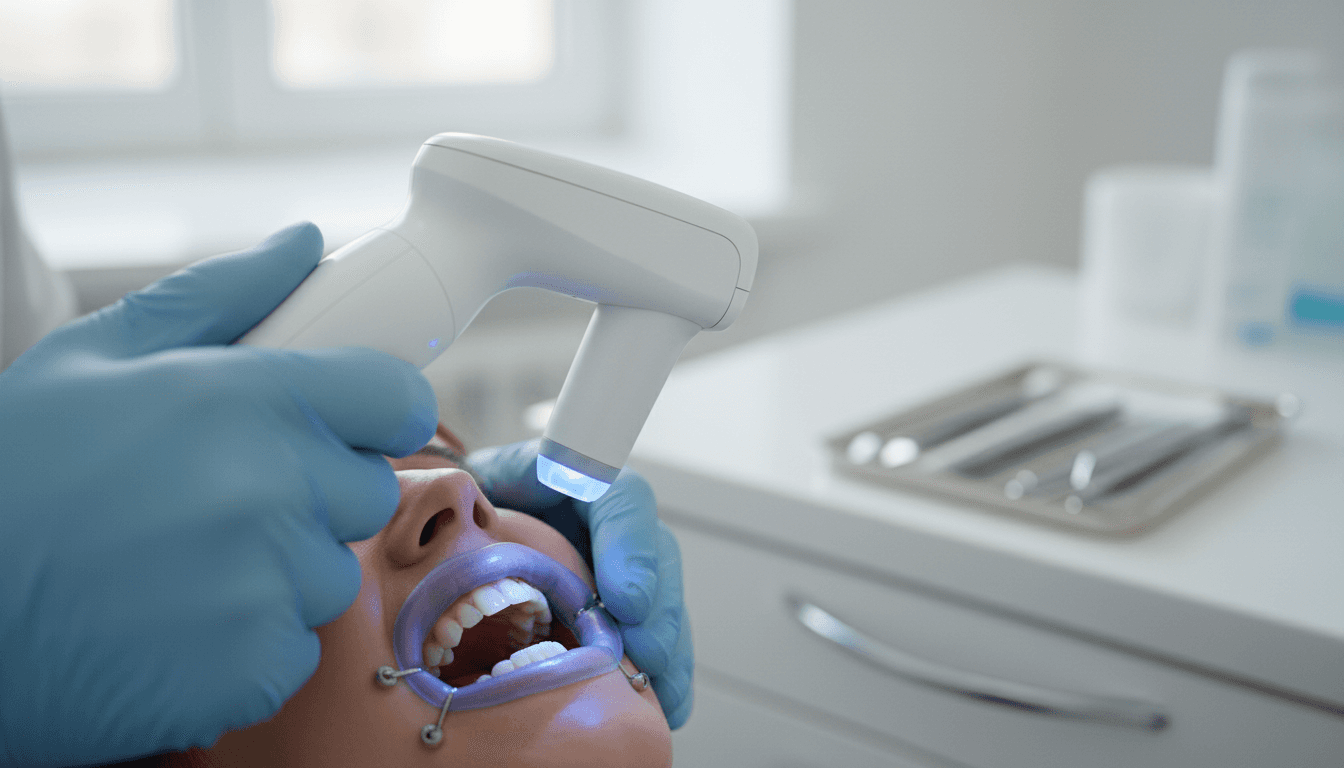
The scanner scans tooth surfaces within seconds and creates a precise digital model of the mouth.
This method provides both more comfort and more accurate results.
2. 3D Imaging and Tomography
Allows for in-depth examination of your dental and jaw structure.
Thus, procedures like implant planning become predictable.
3. CAD/CAM Systems
Means “Computer-Aided Design and Manufacturing”.
In the first phase, your tooth is designed in a digital environment, then production is carried out with millimeter precision by a machine.
What Treatments can be Done with Digital Dentistry?
Digital methods have become standard in many treatments today:
Implant planning and application
Zirconium crowns and Emax veneer production
Orthodontics (clear aligner design)
Aesthetic smile design
Diagnosis of root canal treatment
In every treatment, the digital approach enhances both the quality of outcomes and patient comfort.
Advantages for the Patient
Digital dentistry is not just a technological innovation but a revolution that improves the patient experience.
Time spent in the chair is reduced
Fewer sessions are required
You will not experience discomfort during measurements
The digital preview of the result can be made before treatment
Treatment is more predictable and safe
Especially in sensitive procedures like implants, veneers, and crowns, the margin of error decreases.
Durable and Aesthetic Results
The prosthetics obtained thanks to digital systems:
Perfectly adapt to your tooth structure
Material loss is minimal
Color and shape look natural
Last for years
For this reason, the digital approach is preferred in procedures that require detail, such as aesthetic smile design.
Conclusion
Digital dentistry is an approach that combines modern technology with function, comfort, and aesthetics.
It offers a more measurable, predictable, and reliable treatment process.
With the continuously evolving hardware and software each year, patients can now achieve more successful and more natural results in a shorter time.
To benefit from the advantages offered by technology in your dental health, choosing a clinic with digital infrastructure is a good investment for your smile.
Blog